A broken or badly decayed tooth can make chewing painful. A person may worry about looks and long term damage. Fillings may not hold if the tooth is weak. Many then look for a stronger fix.
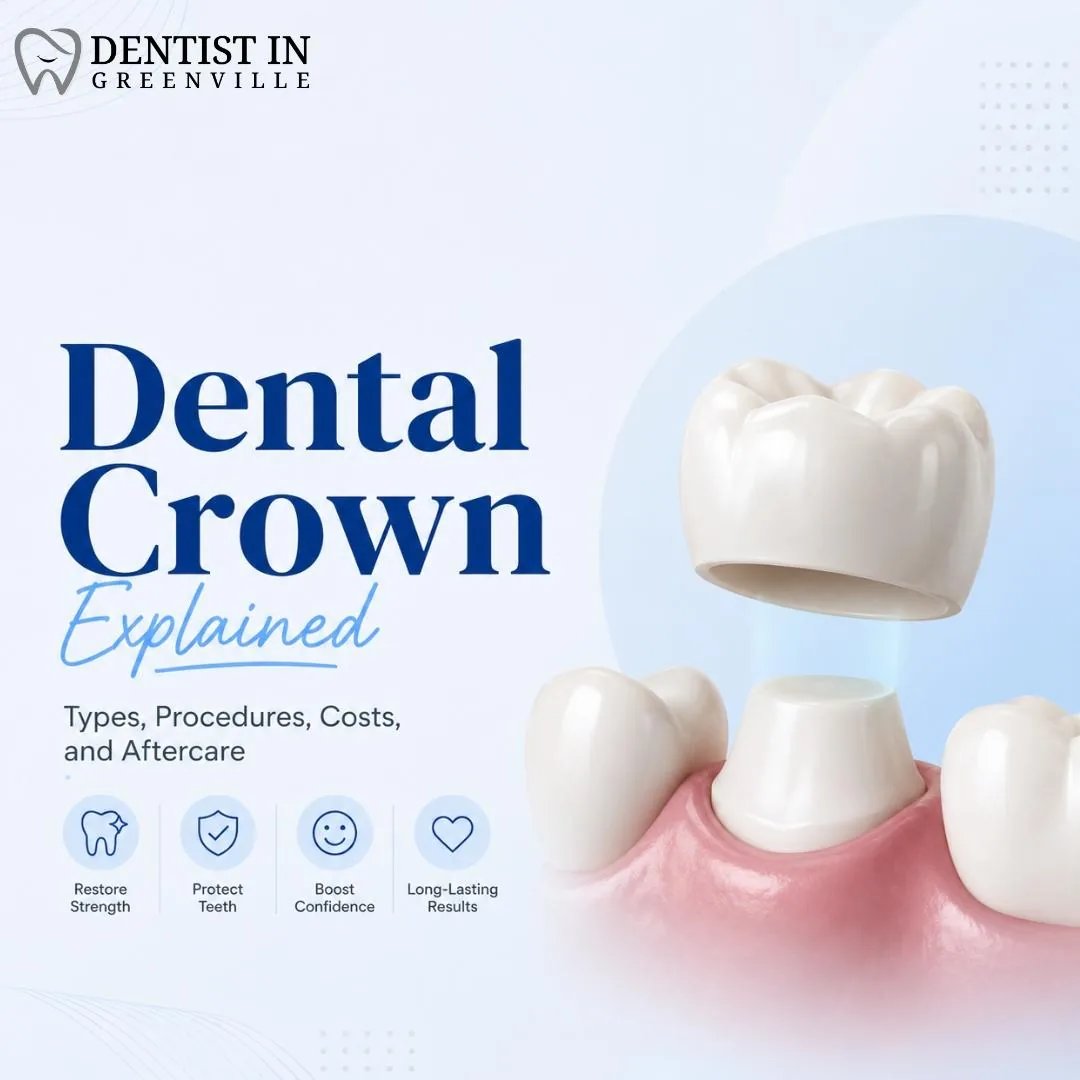
A dental crown is a tooth-shaped cap that covers and restores damaged teeth. Dentists use crowns after root canals and over implants. The lab usually makes a custom crown in two to three weeks, and the patient wears a temporary cap while they wait.
Dental crowns act as custom caps that cover and protect a damaged or decayed tooth. Dentists use this treatment to restore the shape, strength, and function of affected teeth.
A dental crown is a tooth-shaped cap that restores decayed, broken, weak, or worn-down teeth. Dentists use crowns to cover dental implants and to restore natural teeth. The crown covers the whole tooth to restore shape and function. They act as protective caps when fillings cannot fix the damage.
A custom-made crown matches the patient's natural teeth and strengthens the tooth. Patients receive a temporary crown while the permanent prosthesis is made in two to three weeks. A dentist bonds the dental crown to a tooth with an adhesive process. Crowns treat severe cracks or decay and let the tooth continue to function normally.
Dental crowns serve many purposes in dentistry. They protect teeth after root canals, restore broken or decayed teeth, and anchor dental bridges securely. Each use plays a vital role in maintaining oral health and function.
After a root canal, teeth often need extra protection. Dentists recommend dental crowns to cover these treated teeth. A crown acts as a strong cap that restores the tooth's shape and function completely. It helps prevent further damage when fillings do not provide enough support.
Crowns offer vital strength for weakened or decayed teeth after treatment. This protective layer allows patients to use their teeth normally again. The process of making a crown takes about two to three weeks. During this time, dentists fit patients with temporary crowns to safeguard their teeth until permanent ones are ready.
Dental crowns restore broken or decayed teeth effectively. They act as protective caps that cover the entire tooth. This helps strengthen weak areas and enhances appearance. Dentists customize each crown to match a patient's natural tooth color, making it look seamless.
Crowns provide needed support for damaged teeth, allowing them to function normally again. For severe cracks or decay, they offer vital protection against further harm. Patients typically receive a temporary crown during the waiting period of two to three weeks while their permanent one is made.
Restoring broken or decayed teeth often leads to the need for anchoring dental bridges. Dental crowns provide essential support in this process. They act as anchors for bridges, filling gaps left by missing teeth. Dentists secure the crowns on adjacent teeth, ensuring strength and stability.
Crowns help maintain proper bite function while improving aesthetics. This custom-fit design allows patients to smile confidently once again. Patients receive temporary crowns during the fabrication of their permanent ones, which typically takes two to three weeks. The dentist bonds these crowns using adhesive techniques, restoring both form and function effectively.
Dental crowns strengthen weak or damaged teeth. They also improve a person's smile and make chewing easier.
Crowns strengthen damaged teeth by providing essential support. These tooth-shaped caps cover decayed, broken, or worn-down teeth completely. Patients with severe cracks or decay benefit significantly from crowns. They act as protective covers that restore both strength and appearance.
The custom-fit fabrication process takes two to three weeks. During this waiting period, dentists place temporary crowns on the affected teeth to ensure protection. Once ready, a dentist bonds the permanent crown using an adhesive process. This treatment allows weakened teeth to function normally while preventing further damage and decay.
After strengthening damaged teeth, dental crowns play a vital role in improving appearance and functionality. A custom-fit crown covers the entire tooth, restoring its natural shape. This process allows individuals to smile confidently again.
Crowns also enhance how well a tooth works. They provide support for weakened or damaged teeth, letting patients eat and speak comfortably. Many choose crowns because they blend with natural teeth, offering aesthetic benefits along with strength. Experience shows that crowns restore function and significantly boost self-esteem after treatment.
Getting a dental crown involves a few key steps. First, the dentist prepares the tooth and takes impressions to create a custom fit. Then, they place a temporary crown while the permanent one is made.
Dental crowns require careful preparation. This process ensures a proper fit and effective restoration of the tooth.
The process progresses from preparation and impressions to the placement of temporary and permanent crowns. This step ensures proper protection and restoration of the tooth.
Severe cracks or decay in teeth often lead to crowning as an effective solution; these caps reinforce weak structures with long-lasting durability and appeal. Patients can expect a professional, seamless experience throughout their treatment journey, from initial consultation to final placement, helping them achieve optimal oral health with confidence at Todays Dental @ Saluda Pointe.
Dental crowns are caps placed over damaged teeth. They restore the tooth's shape, size, and strength.
Crowns cover and protect weak or broken teeth. They improve appearance and function by providing support for chewing.
Dental crowns can be made from various materials like porcelain, metal, or resin. Each material has its benefits based on durability and aesthetics.
With proper care, dental crowns can last many years, often between 10 to 15 years or more. Regular check-ups help ensure their longevity and effectiveness.
Tell us a little about what you need — we'll be in touch shortly.
105 Saluda Pointe Ct Suite C, Lexington, SC 29072, United States
Hi! I'm Tooth fairy! Your AI Assistant Ask me anything