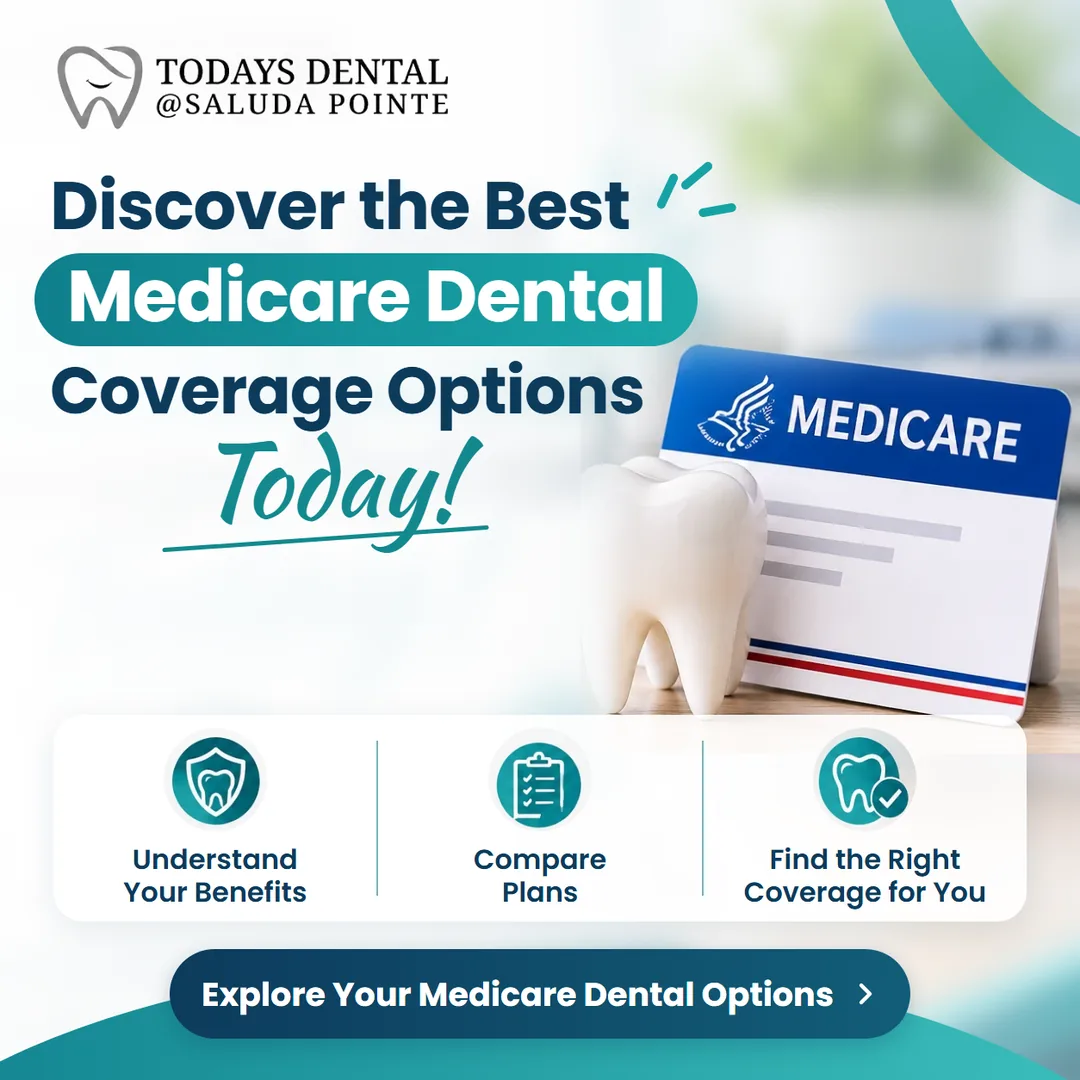
People may get surprised when they come to know Medicare often does not cover routine dental care. That can make costs for cleanings, fillings, or dental implants hard to plan.
About half of Medicare beneficiaries lack dental coverage. This guide compares Medicare Advantage, standalone plans, and discount options. It also explains how to check dentist networks and estimate costs.
Medicare offers various dental coverage options that can confuse many. Understanding what these options include is crucial for making informed decisions about oral health care.
Overview of Medicare and dental benefits
Original Medicare generally does not cover routine dental exams, cleanings, fillings, extractions, dentures, or implants. These services usually fall outside its covered benefits.
Some Medicare plans offer dental benefits along with vision and hearing coverage. Most people need both Part A and Part B to join these plans.
Common misconceptions about Medicare and dental
A common myth is that Medicare pays for routine dental care because it covers other health needs. In fact, Original Medicare generally does not cover dental exams, cleanings, fillings, extractions, dentures, or implants.
Medicare Advantage plans do not all include dental coverage. A person should check the plan details instead of assuming dental care comes with enrollment.
Medicare offers different types of dental coverage. Original Medicare has limited benefits, while Medicare Advantage may include more comprehensive options.
Original Medicare (Part A & Part B) and dental limitations
Part A and Part B generally do not cover dental exams, procedures, or supplies. Medicare does not view routine dental care as medically necessary. Cleanings, fillings, extractions, dentures, and dental implants usually are not covered. This includes full mouth dental implants.
People often pay for these services themselves. A Medicare Advantage plan with dental benefits may offer another coverage option.
Medicare Advantage (Part C) with dental benefits
Original Medicare does not cover routine dental care. That's where Medicare Advantage (Part C) steps in. These plans often include dental benefits that can help fill the gaps left by Original Medicare. They cover essential services like cleanings, exams, and sometimes more significant procedures.
Choosing a plan with dental coverage is a smart move for those who want extra protection. Many people find that these plans offer better choices than standalone options alone. For those looking for dentists now, locating one accepting such plans becomes easier with the added benefits from Medicare Advantage.
Standalone dental insurance plans
Standalone dental insurance plans offer a way to fill the gaps left by Original Medicare. These plans provide coverage for services such as exams, cleanings, and fillings. Since Original Medicare excludes many dental procedures, these standalone options can be quite beneficial. People looking for a dentist should consider how these plans align with their oral health needs.
Costs can vary widely between different standalone plans. Premiums affect how much one pays monthly. Some may even have waiting periods before covering major services like crowns or implants.
It's crucial to evaluate what each plan covers and any exclusions that might apply. Comparing multiple options helps individuals choose wisely based on their specific needs and budgets.
Medicare dental coverage often includes basic services that support your oral health. Many plans cover preventive care like cleanings and exams, making it easier for people to maintain their smiles.
Preventive care (cleanings, exams, x-rays)
Preventive care plays a vital role in maintaining oral health. Cleanings, exams, and x-rays help catch issues early. Routine cleanings keep teeth and gums healthy. Exams allow for early detection of cavities or other problems. X-rays provide a deeper look at what lies beneath the surface.
Many Medicare Advantage plans cover these essential services, unlike Original Medicare. Dental checkups can save money by preventing costly procedures later on. Choosing coverage that includes preventive care can make a big difference in overall dental wellness.
For those searching for a pediatric dentist or emergency dentist near them, understanding these options is crucial to ensuring families receive necessary care without unexpected costs.
Basic procedures (fillings, extractions)
Original Medicare does not cover basic dental procedures like fillings and extractions. Many people face unexpected dental issues that require immediate attention. Without coverage, these services can become costly.
Medicare Advantage plans often offer some level of coverage for these basic procedures. Patients usually find that their plans include procedure benefits for fillings and tooth extractions. Checking their specific plan is essential to understand what is available.
Major procedures (crowns, dentures, bridges)
Crowns, dentures, and bridges fall under major dental procedures. These treatments often come into play when a person needs significant restoration work in their mouth. Crowns cover damaged teeth; they help maintain structure and appearance.
Dentures replace missing teeth entirely, offering functionality and comfort to those who have lost several or all of their natural teeth. Bridges fill the gaps between teeth, anchoring onto adjacent healthy teeth for stability.
Regrettably, Original Medicare does not cover these essential services. Many people consider standalone dental plans or Medicare Advantage (Part C) for assistance with costs related to crowns, dentures, and bridges.
Most standalone plans do offer coverage for these major procedures while also ensuring patients receive other necessary care like routine cleanings and exams. Therefore, understanding what each plan covers is vital before making a decision on dental insurance options.
When comparing Medicare Advantage dental plans, consider what they include versus what is optional. Some plans have great benefits, while others might surprise you with hidden costs.
Check network restrictions carefully, too; not every plan lets you choose your favorite provider. Annual maximums and deductibles can vary, so keep an eye on those numbers as well.
Included vs. optional dental coverage
Included dental coverage refers to services that come with a Medicare Advantage Plan. These plans often cover preventive care, like cleanings and exams. They might also include basic procedures such as fillings and extractions.
On the other hand, optional dental coverage involves standalone dental insurance plans. People can purchase these plans separately if their Medicare options do not provide enough benefits.
Many beneficiaries find that Original Medicare does not cover routine dental care at all. This means they may end up paying out of pocket for necessary treatments or looking for a pediatric dentist near them or an emergency dentist nearby when issues arise. Evaluating both included and optional coverage helps individuals match their needs with available services in the best way possible.
Network restrictions and provider choices
Understanding the difference between included and optional dental coverage is vital. Network restrictions can limit choices for individuals seeking a dentist. Many Medicare Advantage Plans include these restrictions. They often have specific networks of providers, which means that not every dentist will accept the plan.
Choosing a provider within this network typically ensures lower costs. Patients may face higher out-of-pocket expenses if they go out-of-network. Those looking for services like implants or emergency dental care need to check their plan carefully. Evaluating provider options can make a significant impact on overall satisfaction with dental coverage decisions.
Annual maximums and deductibles
Annual maximums and deductibles play a crucial role in Medicare dental plans. Many of these plans cap the amount they will pay for your dental care each year. Once you reach this limit, you will have to cover any additional costs out of pocket. This can be important when planning for expenses like crowns or dentures, which may quickly eat through your benefits.
Deductibles also matter. They represent the amount you must spend before your plan begins to help with costs. For example, if a policy has a $100 deductible, you need to pay that much before coverage kicks in for services like routine cleanings and emergency procedures at an emergency dentist near me.
Understanding these limits helps individuals make informed decisions about their dental coverage options while ensuring they choose wisely from available Medicare Advantage plans or standalone insurance policies.
Evaluating standalone dental policies can feel like finding a needle in a haystack. Start by taking a close look at the premium costs and waiting periods for major services, because those factors significantly impact your choices.
Premium costs
Premium costs can vary significantly when choosing dental coverage. Medicare Advantage plans often include dental benefits, but they may charge higher premiums than Original Medicare.
Standalone dental insurance plans also have their own premium structures that potential enrollees should examine closely. Understanding these costs helps individuals plan better for expenses related to routine cleanings or major procedures like implants.
Most people find that standalone dental plans typically cover a range of services omitted by Original Medicare. This includes everything from preventive care to more complex treatments.
Comparing the costs and benefits of different plans is crucial for those looking for affordable options in dentistry, especially if they anticipate needing significant work, such as kids dentist visits or all on 4 dental implants.
Waiting periods for major services
Dental coverage often includes waiting periods for major services. Many standalone dental plans impose these delays to help manage costs. Patients might have to wait several months before getting crowns, dentures, or implants dental work done. This delay can be frustrating for those needing immediate care.
Medicare Advantage Plans sometimes feature shorter waiting times compared to standalone options. However, this varies by plan and provider network. Clients should check the specifics of their coverage before making decisions about necessary procedures.
Knowing the terms helps people avoid unexpected surprises later on when they find a dentist or schedule appointments for extensive treatments.
Coverage levels and exclusions
Evaluating coverage levels and exclusions gives clarity to dental options. Original Medicare does not cover routine dental care. It ignores exams, procedures, and supplies because it considers dental work non-essential. Therefore, many people miss out on vital services.
Medicare Advantage Plans often change this game. They usually provide some level of dental coverage that Original Medicare lacks. However, they might come with limits on services or exclude certain treatments outright.
Standing on the sidelines without a thorough understanding could lead to surprises later on for those looking for a pediatric dentist near me or a cosmetic dentist near me.
Dental discount plans can save money for those needing dental care. However, people should weigh these savings against potential limitations and restrictions.
How discount plans work
Discount plans offer a way to save on dental care costs. They work by providing members with reduced rates at participating dentists. Members pay an annual fee to join these plans, which then allows them to access services at discounted prices.
Most discount plans focus on general dental needs like cleanings and fillings. Individuals can enjoy significant savings compared to standard rates. However, they do not function like insurance; members must pay out-of-pocket for services received.
These plans often attract those looking for more affordable options without the usual premiums or deductibles found in traditional insurance.
Typical savings potential
Dental discount plans can offer significant savings. Many of these plans provide reduced rates for services like cleanings, fillings, and extractions. Individuals save an average of 20% to 50% compared to standard prices. These discounts make routine dental care more affordable for those who don’t have primary coverage.
Standalone dental plans and Medicare Advantage plans often cover exams and cleanings as well. By comparing the costs associated with each plan, individuals can identify which option maximizes their savings potential on necessary dental services. Exploring available choices helps in making informed decisions about dental health needs going forward.
Limitations and considerations
Many Medicare plans provide extra benefits like vision, hearing, and dental services. Original Medicare does not cover most dental care since it is generally seen as not medically necessary.
Routine cleanings or treatments, such as fillings and dentures, typically fall outside its coverage. About half of all Medicare beneficiaries lack any dental coverage at all.
Evaluating options can feel overwhelming. A Medicare Advantage plan may be a good choice for those seeking dental benefits. Standalone dental insurance plans also exist to fill the gaps that Original Medicare leaves behind.
Choosing wisely involves looking closely at costs and covered services in each plan before making a decision about how to compare options effectively.
Consider your dental health needs first. Think about the treatments you might need soon. Are cleanings enough for you, or do you expect more work? Look at how much each plan costs too. Compare what services they cover and any waiting periods for major procedures. These details can make a big difference in your decision.
Your current oral health needs
Understanding current oral health needs is crucial. Many people often overlook their dental care while focusing on other aspects of their health. Original Medicare typically does not cover dental exams or procedures, leading to gaps in coverage for many seniors.
Routine cleanings and essential treatments like fillings or extractions usually do not fall under its benefits either. Most Medicare beneficiaries find themselves without any dental plan at all.
Those who anticipate future dental work must think carefully about what they need now and later. They may want preventive care such as regular check-ups and cleanings, which will help avoid more significant issues down the line.
Identifying these immediate needs can guide selections toward plans that offer the right support for maintaining good oral health over time.
Anticipated dental procedures
Anticipated dental procedures can include cleanings, fillings, and extractions. Many people might need a crown or dentures as their teeth age. Original Medicare does not cover these routine services.
However, some Medicare Advantage plans provide coverage for these essential procedures. Standalone dental insurance also helps fill gaps where Original Medicare lacks support in this area. Understanding one's potential needs is key to selecting the right plan.
Exploring options requires awareness of what each offers in terms of benefits and costs. Knowing anticipated needs makes it easier to compare plans effectively.
To check if a dentist takes your plan, call their office or visit their website for details. You should ask about in-network status and accepted insurance plans. This step saves hassle later on.
Don't let surprises spoil your dental experience! Dive into more tips to streamline your coverage search.
In-network vs. out-of-network coverage
In-network coverage offers cost savings. Insurers negotiate lower rates with these providers. Members pay less in copays and coinsurance. Out-of-network dentists charge higher fees.
Original Medicare does not cover dental services, so costs can add up quickly without a plan. Many Medicare Advantage plans include networks that provide both preventive and basic dental care. Individuals should check if their preferred dentist is in the network to avoid unexpected charges.
Verifying provider participation
Choosing a dental plan requires careful checking of provider participation. Users must confirm whether their preferred dentist accepts the plan they choose. Many plans offer both in-network and out-of-network options. In-network dentists usually provide lower costs compared to those outside the network.
Medicare Advantage Plans often have specific networks that members need to stick to for covered services. Users should contact their dentist’s office directly or check online directories provided by insurance companies to verify participation. Staying informed helps in preventing unexpected charges later on.
Estimating your total dental costs involves adding up premiums, copays, and coinsurance for different services. Annual and lifetime maximums also play a role in budgeting. Knowing these details helps people get a clearer picture of what they may spend on dental care.
For those looking to understand their options better, there is more valuable information to uncover!
Premiums, copays, and coinsurance
Premiums, copays, and coinsurance can all impact dental costs under Medicare plans. Most Medicare Advantage plans offer varying premium amounts for dental coverage. Beneficiaries often pay a monthly premium along with other typical healthcare expenses.
Copays apply to specific services or treatments. For example, a plan may charge a copay for each dental visit or procedure. Coinsurance refers to the percentage of costs that patients must pay after reaching their deductible.
Understanding these terms helps individuals budget their expected out-of-pocket expenses effectively.
Annual and lifetime maximums
Medicare dental plans often have annual and lifetime maximums. These limits affect how much the plan will pay for dental services each year or over a person’s lifetime. Many Medicare Advantage Plans include these caps, which can vary significantly from one plan to another. Once beneficiaries reach these limits, they must cover any additional costs out of pocket.
Original Medicare does not cover routine dental care. This lack of coverage means that many prefer options with better benefits when selecting a plan. Reviewing the annual and lifetime maximums helps individuals make informed choices about their healthcare expenses.
To enroll in Medicare dental coverage, individuals can start during the Open Enrollment period or a Special Enrollment Period. They should gather necessary documents and follow steps to join a plan that suits their needs.
Open Enrollment and Special Enrollment Periods
Open Enrollment allows people to join Medicare Advantage Plans that offer dental coverage. This period typically runs from October 15 to December 7 each year. During this time, individuals can select plans with extra benefits like vision and dental care.
Special Enrollment Periods provide additional chances to enroll or change plans due to qualifying life events. Events include moving, losing other health insurance, or changes in household status.
People should keep an eye on these windows, as they determine access to essential dental coverage options.
Steps to join a Medicare Advantage plan
Transitioning from the Open Enrollment and Special Enrollment Periods leads to the next step, joining a Medicare Advantage plan. Individuals must have both Part A and Part B to qualify for most of these plans. They can compare different options that provide extra benefits like dental coverage.
To enroll, individuals should use Medicare's official website or contact their local Medicare office. The process typically includes selecting a plan that meets their needs and completing an application form.
After approval, they will receive information about how to access all covered services, including any included dental benefits.
Many people overlook crucial details when picking dental coverage. They often forget to consider their future dental needs or make assumptions about what is covered. This can lead to unexpected out-of-pocket expenses later on.
Reading the fine print might save you a headache down the line. For deeper insights into avoiding these pitfalls, check out more information!
Overlooking plan details
People often miss important details in dental plans. Original Medicare does not cover routine dental care. This includes exams, cleanings, and procedures like fillings or extractions.
Many beneficiaries find themselves surprised by what is excluded after enrolling. Medicare Advantage Plans may include these benefits but vary widely in service coverage.
Choosing a standalone dental plan can help fill gaps left by Original Medicare. Not all plans are created equal; some might have long waiting periods before covering major services.
Annual maximums also differ between plans, which can affect overall costs significantly. Evaluating the fine print keeps individuals from facing unexpected bills later on.
Not considering future dental needs
Neglecting future dental needs can lead to unexpected expenses. Original Medicare does not cover most dental services. Many procedures, like routine cleanings or dentures, fall outside its scope. Without foresight, individuals may find themselves facing high out-of-pocket costs.
Choosing a plan without considering anticipated treatments causes problems later. Dental health often changes with age; some people might need major procedures as time passes. It is wise to choose coverage that meets current needs and potential future requirements. Taking these factors into account can help avoid financial surprises down the road.
Regular check-ups can save money in the long run. Preventive care often catches issues before they escalate. Consider using health savings accounts to set aside money for dental expenses.
Buy discount plans if your budget is tight; they may offer solid savings on treatments. Explore all options so you don’t miss out on potential benefits, and keep reading to discover more strategies!
Preventive care strategies
Preventive care strategies help minimize dental issues before they escalate. Regular cleanings and exams keep teeth healthy and catch problems early. Many Medicare Advantage plans cover these services, unlike Original Medicare, which does not provide any routine dental benefits.
Dental discount plans also offer savings on preventive care, making it easier for individuals to maintain good oral health.
Anticipating future procedures can guide the choice of a plan that meets specific needs. Knowing what each plan covers helps people make informed decisions about their dental coverage options.
Using health savings accounts (HSAs)
Health savings accounts (HSAs) provide a way to save money for dental expenses. Individuals can contribute pre-tax dollars to these accounts. This makes HSAs an attractive option for those anticipating dental procedures not covered by Medicare.
Plan holders can use their HSA funds for services like cleanings or fillings. They enjoy flexibility, as unused funds rollover each year. However, it's essential to choose a high-deductible health plan that qualifies for HSAs first.
When a dental plan denies coverage, the next step is to understand your rights and file an appeal. Gather all relevant documents to support your case and submit them on time. This proactive approach can make a difference in securing the care you need.
Dive into this process for more tips and insights!
Understanding your rights
Medicare does not cover routine dental care. This includes exams, cleanings, fillings, and more. Most people think that Medicare offers comprehensive dental benefits. In reality, about half of all Medicare beneficiaries lack any form of dental coverage at all. Many individuals must rely on private plans to fill this gap in their health insurance.
Individuals should understand that Original Medicare considers dental care non-essential for medical needs. They can explore options like a Medicare Advantage Plan or a standalone dental plan to receive necessary services.
These alternatives often include the preventive and basic procedures that Original Medicare excludes from coverage. Knowing these facts empowers consumers to make informed choices about their dental health under Medicare guidelines.
Filing an appeal with your plan
If a person faces a coverage denial, they can file an appeal with their Medicare plan. This process allows them to contest the decision and seek the benefits they believe are due. First, they should review the explanation of benefits from their plan. Understanding this document helps identify specific reasons for the denial.
Next, gathering supporting documentation is important. Individuals need to collect any relevant files that strengthen their case. After compiling everything, they can submit their appeal according to the instructions provided by their plan.
Knowing how to navigate this process empowers beneficiaries during challenging situations related to dental care coverage decisions. Exploring resources for comparing dental plans comes next in your journey toward optimal coverage options.
Finding the right dental plan can feel like searching for a needle in a haystack. Several tools make this task easier. The Official Medicare Plan Finder helps users compare various options side by side.
State Health Insurance Assistance Programs (SHIPs) also offer free guidance on choosing plans. These resources guide individuals through their choices, helping them find coverage that suits their needs.
For those wanting to explore further, many online forums and community groups provide shared experiences and additional insights. Dive into these resources to simplify your search!
Official Medicare Plan Finder tool
The Official Medicare Plan Finder tool helps individuals compare different Medicare dental coverage options. This resource allows users to find plans that include dental benefits. Many Medicare Advantage Plans provide extra services like dental care, which Original Medicare does not cover. Individuals can enter their zip code and get a list of available plans customized to their needs.
Finding the right plan requires clarity on what services each option includes. Users should focus on costs, coverage specifics, and network constraints when using this tool. Understanding these factors makes selecting the best dental coverage simpler for those who need it. Next, they will explore how to evaluate standalone dental policies effectively.
State Health Insurance Assistance Programs (SHIPs)
State Health Insurance Assistance Programs, or SHIPs, help people understand Medicare options. They offer guidance on choosing the right plans that cover dental benefits. Many SHIPs provide free, unbiased assistance for anyone needing information about their coverage.
Individuals can contact SHIPs for answers to questions about dental care under Medicare. These programs simplify the choices and clarify what each plan covers. With their support, seniors can make informed decisions about their dental health needs and find suitable providers. Evaluating Medicare Advantage Plans next will reveal more insights into available options.
Medicare and Medicaid offer different dental benefits, so understanding their distinctions makes a big difference for anyone seeking coverage.
Key differences in dental benefits
Most Medicare plans offer extra benefits like dental coverage, while Original Medicare does not. People should know that Original Medicare generally excludes routine dental exams and procedures. This means services such as cleanings, fillings, and dentures often go uncovered.
Medicare Advantage Plans usually include dental benefits as part of their offerings. These plans are provided by private companies approved by Medicare. Standalone dental insurance is another option to consider for those who want additional coverage beyond what Original Medicare offers. Each plan's details can differ significantly, so comparing costs and services is essential for making an informed choice.
Dual eligibility and coverage coordination
Dual eligibility means some individuals qualify for both Medicare and Medicaid. This status allows beneficiaries to access a wider range of dental services. Coverage coordination is critical for these individuals. They benefit from the strengths of both programs, allowing them to receive necessary dental care without excessive out-of-pocket costs.
Medicaid can help pay for dental services that Medicare does not cover. Many people with dual eligibility might find it easier to manage their oral health needs this way. Understanding how each program interacts can lead to better coverage choices and lower expenses for dental procedures.
Recent legislative changes have expanded benefits in certain Medicare Advantage plans, giving beneficiaries more options for dental coverage. This shift can mean better access to care and more services for those who need them.
Stay informed about these updates; they might change the way you view your dental care choices!
Expanded benefits in select Medicare Advantage plans
Many Medicare Advantage plans provide expanded dental benefits that Original Medicare does not cover. These plans often include routine cleanings, exams, and certain procedures. Some even cover more extensive services like fillings or dentures.
People should compare the specific dental coverage options offered by different Medicare Advantage plans. Each plan can have unique features and pricing, so assessing them closely helps in selecting the best fit for individual needs.
Changes to dental coverage regulations
Expanded benefits in select Medicare Advantage plans lead to shifts in dental coverage regulations. These changes allow more beneficiaries to access essential dental care services.
Recent legislative updates now offer expanded benefits for certain Medicare Advantage Plans. These plans can cover exams, cleanings, and other procedures that Original Medicare does not include.
With half of all Medicare recipients lacking any dental coverage, these new rules aim to bridge the gap and improve oral health access for many seniors.
Choosing the right dental coverage can feel overwhelming, but a simple checklist can help folks target their priorities and make informed choices.
Making a checklist of priorities
Making a checklist helps clarify dental needs. Many people overlook key areas when choosing Medicare dental coverage options. They may not consider their current oral health or any expected procedures. A list can highlight these priorities and ensure they do not get missed.
Next, individuals should note the types of coverage available. They need to know what Original Medicare does not cover and compare it with plans that offer dental benefits. Understanding annual maximums and premiums will guide decision-making as well. This approach simplifies the selection process and supports informed choices for dental care needs.
Consulting with a licensed insurance agent
A licensed insurance agent provides valuable guidance. They help individuals understand their Medicare dental coverage options. These experts know the details of different plans. Their knowledge covers everything from costs to services offered.
Choosing a dental plan can be challenging, especially with Original Medicare's limitations on dental care. An insurance agent can clarify what each plan entails, meaning clients won't miss out on essential benefits.
They assist in comparing Medicare Advantage Plans and standalone policies to ensure the best fit for individual needs. Consulting an agent makes managing these choices easier and helps avoid costly mistakes later on.
Original Medicare usually does not cover routine dental care, such as cleanings, fillings, or dentures. You can check Medicare Advantage plans or buy a separate dental plan. Some plans include dental benefits, but coverage varies.
Look beyond the monthly premium. Check which services the plan covers, how much you pay for care, and whether it has a yearly coverage limit. A low premium may come with higher costs when you need treatment.
Many Medicare Advantage and dental plans use a network of dentists. You may pay less when you choose an in-network dentist. Before you enroll, check that your dentist takes the plan. A quick phone call can save you a headache later.
Compare your options before you choose or change a Medicare plan. Check enrollment dates and plan rules, since you may not be able to switch at any time. Read the details so you know when coverage starts and what care it includes.
Tell us a little about what you need — we'll be in touch shortly.
105 Saluda Pointe Ct Suite C, Lexington, SC 29072, United States
Hi! I'm Tooth fairy! Your AI Assistant Ask me anything