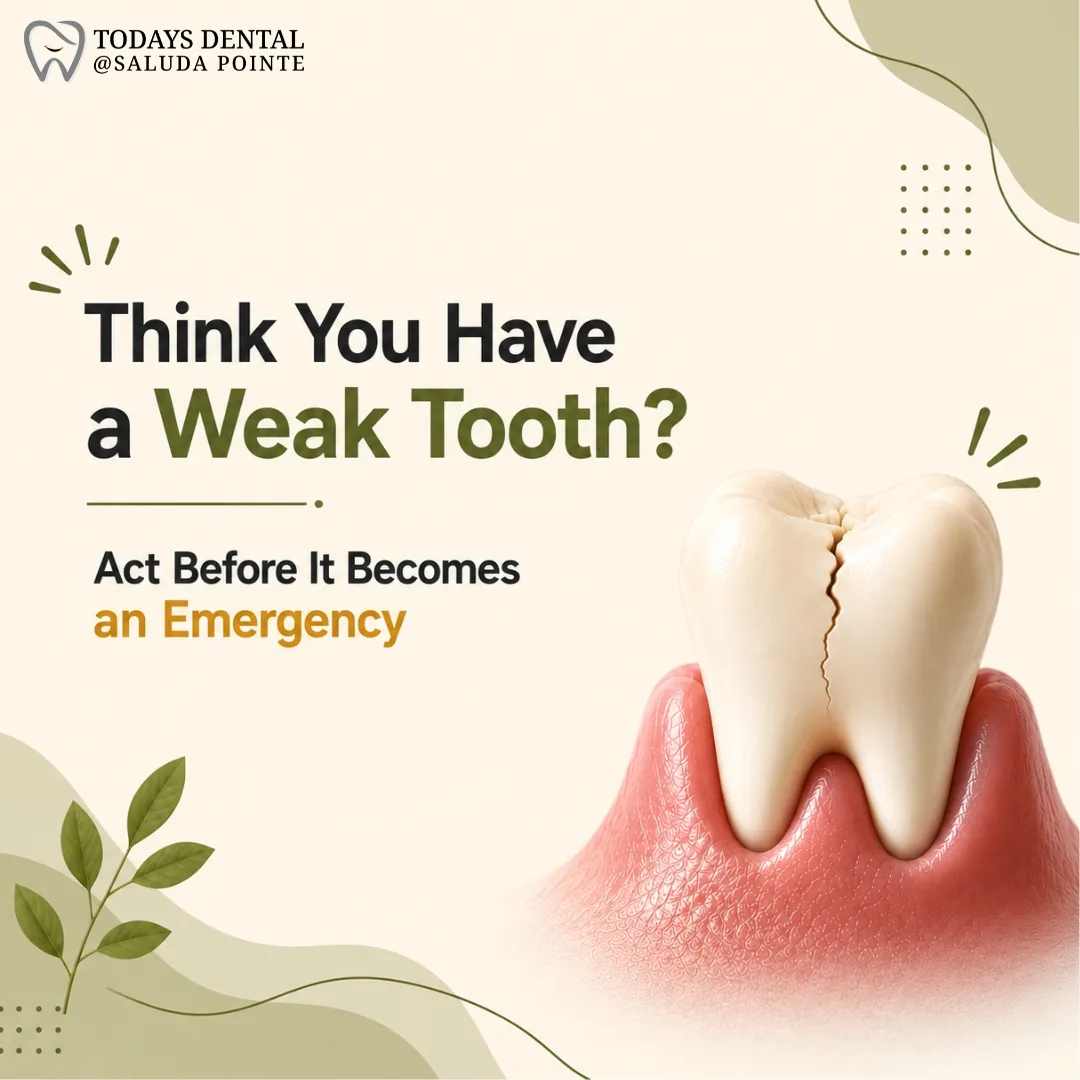
Many people feel a sharp pain or sensitivity and worry they have a weak tooth. They may notice toothache, pain, or sudden sensitivity when eating or drinking. Some see swelling, bleeding, or feel tooth trauma after a fall. These signs can point to decay, infection, or an abscess.
Severe pain, swelling, bleeding, or a knocked-out tooth are clear signs that someone needs prompt dental care. Here you will know signs and causes, immediate steps to prevent an emergency, and how to strengthen and protect weak teeth for the future.
It will cover emergency dentistry, dental care, oral hygiene, preventive care, toothache relief, cavities, and treatment options.
Weak teeth often show clear signs. Severe pain, swelling, or bleeding indicates the need for immediate dental care. A visible hole or fracture in a tooth demands urgent attention from a dentist.
Sharp or intense pain signals that something is wrong and requires action. Tooth sensitivity can also alert individuals to underlying issues such as decay.
Infections may produce fever or a bad taste in the mouth, suggesting serious problems beneath the surface. Persistent toothaches often point to dental emergencies like cavities that have worsened.
Weak teeth can result from trauma, abscesses, or untreated decay over time. Ignoring these signs could lead to bigger health concerns and more complex treatments later on. Immediate steps are essential to prevent emergencies before they escalate further.
Severe pain, swelling, or bleeding signals an urgent need for dental care. Pain in one or more teeth often means something is wrong. A visible hole or fracture indicates that professional help is necessary immediately. Quick action can prevent complications and costly treatments later.
Infection can lead to further health issues. Swelling of the face and fever should prompt immediate attention from a dentist. Tooth trauma also requires swift intervention; a knocked-out tooth has a better chance of being saved with prompt action.
Keeping regular check-ups ensures good dental health and helps catch problems before they escalate into emergencies like abscesses or severe decay.
Regular dental care strengthens weak teeth. A dentist consultation helps identify cavities before they escalate into emergencies. Persistent tooth pain signals that decay has progressed and needs attention. Patients must address visible holes or fractures immediately; these signs indicate a need for professional help.
To protect weakened teeth, individuals should maintain good oral hygiene habits. Brushing twice daily and flossing can prevent infection and buildup of bacteria. Avoiding sugary snacks reduces the risk of tooth decay, which contributes to sensitivity and pain.
Empowering oneself with knowledge about dental health leads to better decisions that protect against future issues.
See a dentist right away for dental care. Do not wait for severe pain, swelling, bleeding, or infection.
Watch for toothache, sharp pain, or constant pain. Note sensitivity to hot or cold. Look for swelling, bleeding, decay, or signs of tooth trauma.
It becomes an emergency with heavy bleeding, severe pain, spreading swelling, or trauma. Go to urgent care if you see signs of infection or an abscess.
Yes. Untreated decay or trauma can lead to infection and an abscess. The dentist may need to treat the infection, give antibiotics, or remove the tooth.
Keep up daily dental care, brush and floss well. Treat decay and tooth trauma fast. See your dentist for sensitivity or toothache. Follow their care to avoid emergency visits.
Tell us a little about what you need — we'll be in touch shortly.
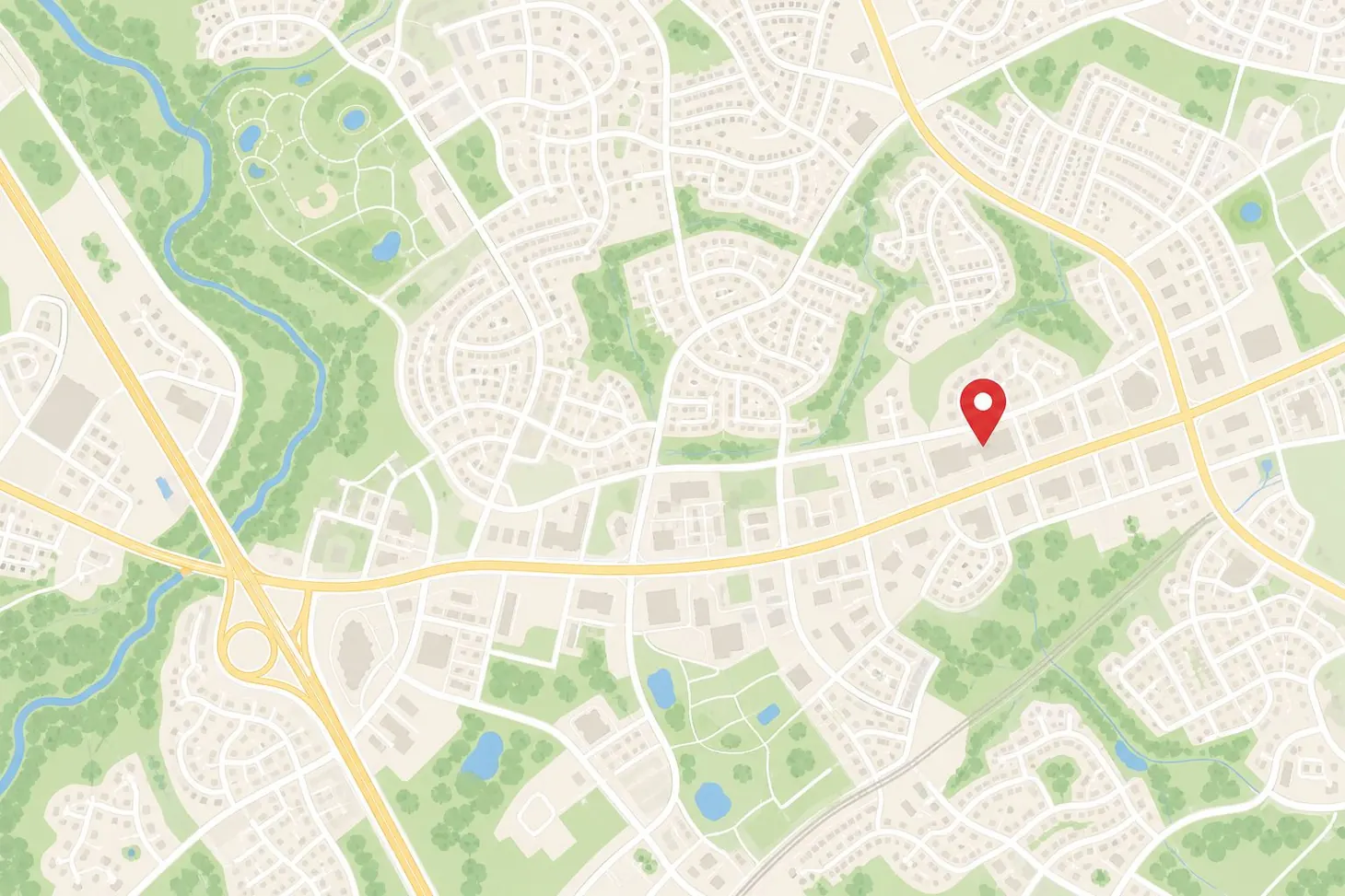
105 Saluda Pointe Ct Suite C, Lexington, SC 29072, United States
Hi! I'm Tooth fairy! Your AI Assistant Ask me anything