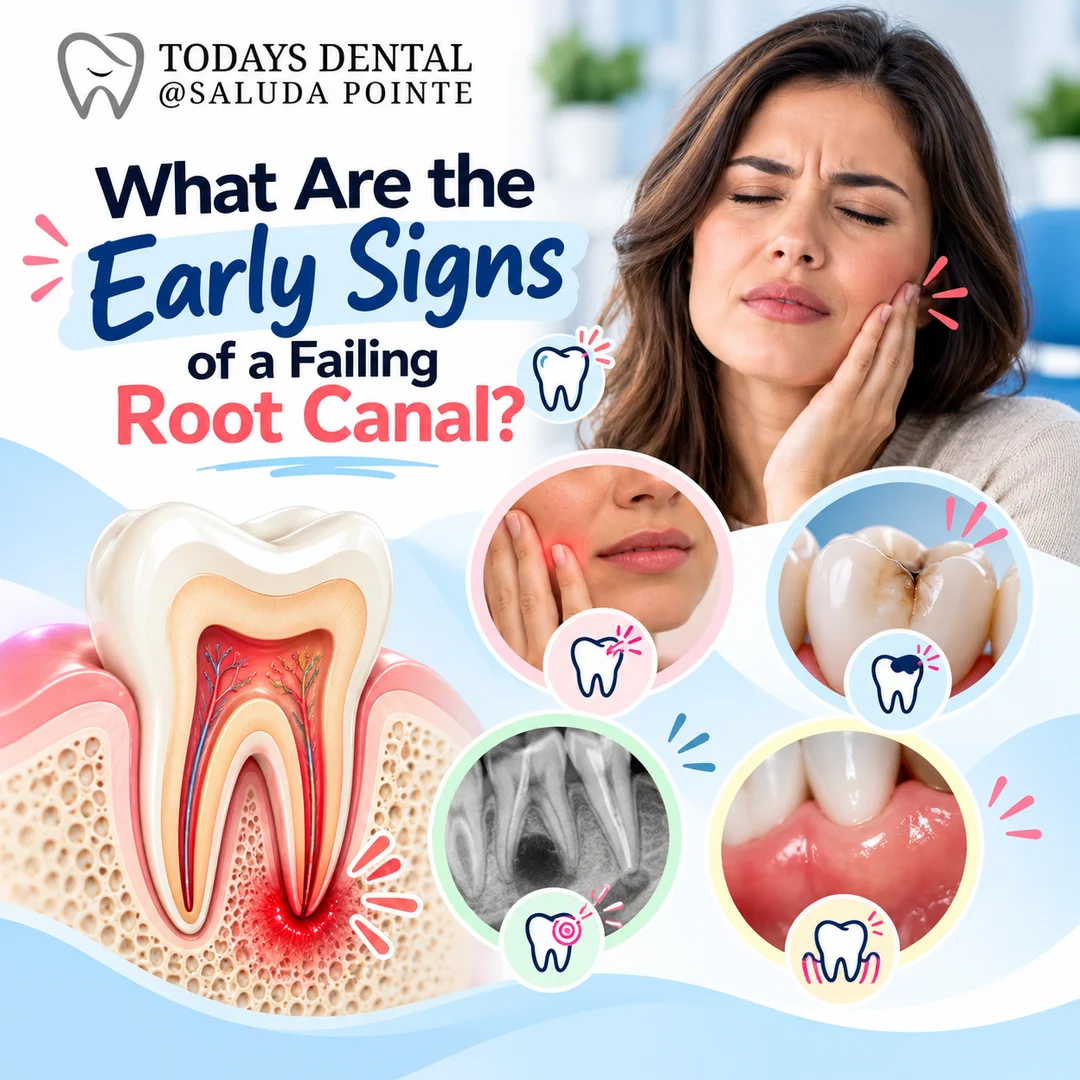
Many people feel a nagging toothache after a root canal. They wonder if the fix has failed. Pain, swelling, or a bad taste can make anyone nervous. Worry can ruin a good day. Persistent or returning tooth pain can mean a new infection or leftover inflammation.
A failing root canal often shows clear warning signs. Dental patients should pay attention to discomfort that lingers or comes back after treatment.
Persistent or returning pain often signals new infection or unresolved inflammation inside the treated tooth after root canal treatment. The pain can show as dull aches or sharp discomfort.
Patients may feel more pain when biting or chewing. Tenderness to pressure points to trouble with the root or the surrounding bone. Sensitivity to hot or cold that does not go away also fits this pattern.
Ongoing or increasing pain around the tooth and gums can come with a foul odor or a bad taste, which suggests possible infection or decay. Visible tooth discoloration may appear as the nerve tissue breaks down.
Missed canals during the initial treatment and breakdown of the inner sealing often cause these symptoms. Dentists watch for these signs as clear symptoms of a failing root canal.
Swelling in the gums around the treated tooth signals a problem. A patient told a dentist about a sore, puffy gum next to a root canal that hurt while biting. Tenderness when chewing or pressure sensitivity often points to unresolved inflammation or a new infection. The dentist noted that swelling and pain can mean a failing root canal or a dental abscess.
An endodontist who saw the same case found a foul taste in the mouth and a small gum bump. Tooth discoloration and recurring pain appeared later. The clinician explained that missed canals or a broken seal can let bacteria cause swelling, tenderness, and more discomfort.
After swelling and gum tenderness, sensitivity to hot or cold often follows as a clear warning sign of trouble with a root canal. This sensitivity that does not go away points to a new infection or unresolved inflammation inside the tooth.
The person may feel sharp pain or a dull ache when sipping hot coffee or biting ice cream. Pain on biting or pressure also shows the root or surrounding bone might be involved, and a foul taste can mean infection.
Tooth discoloration can signal a failing root canal. A tooth that changes color may indicate underlying issues, such as infection or decay. This change is often noticeable as the tooth becomes darker than its neighbors. Patients should take this sign seriously and seek dental attention promptly.
Ignoring discoloration might lead to more significant problems down the line. The discolored tooth could be a symptom of deeper concerns within the root or surrounding tissues. Early detection improves treatment options and outcomes for those experiencing these changes in their teeth.
Tooth discoloration often signals problems beneath the surface. Gum bumps or lesions can also point to complications with a failed root canal. These gum pimples, known as abscesses, form due to infection in the surrounding tissues.
They may appear as small, painful swellings near the treated tooth. This situation usually indicates that something has gone wrong.
Persistent infections lead to these uncomfortable lumps. A foul smell or bad taste might accompany them, suggesting decay or more serious issues at play. Tenderness or pain often arises when biting down on the affected area.
Ignoring these symptoms could worsen oral health and delay necessary treatment options for relief and restoration.
Gum bumps or lesions can signal trouble. Another symptom to look out for is the mobility or loosening of the tooth. A failing root canal may cause a treated tooth to feel wobbly. This movement often means that infection has damaged surrounding bone structures. Pain during biting or chewing might accompany this looseness, adding to the discomfort.
Sensitivity to pressure also becomes evident as the situation worsens. If any of these signs appear, it’s essential not to ignore them. Prompt attention can prevent further complications and keep oral health in check.
Root canal failure often stems from inadequate cleaning of the tooth's canals. Sometimes, leaks occur when the sealing material does not hold properly, allowing bacteria to sneak back in.
Cracks or fractures can also compromise a tooth, leading to infection and discomfort. These issues may catch patients off guard, but understanding them can help manage expectations during dental visits.
Incomplete cleaning of canals often leads to root canal failure. Dentists sometimes miss small canals during the initial treatment, which can harbor bacteria. This oversight allows infection to linger, causing persistent pain and discomfort. Patients may experience dull aches or sharp sensations that don’t go away.
Broken inner sealing also contributes to problems. Bacteria can sneak back in, leading to swelling and tenderness around the gums. A tooth that has undergone this incomplete procedure might show signs of discoloration as well. Gum bumps or lesions can develop too, signaling deeper issues with the root canal treatment itself.
Poor sealing of the tooth can lead to serious problems. Missed canals during treatment often cause issues. An incomplete seal allows bacteria to sneak back in, leading to new infections. This situation could result in persistent or returning pain, making daily life uncomfortable.
Swelling around the gums is another sign that indicates trouble from poor sealing. Discoloration of the tooth might also occur as infection develops beneath the surface. Gum bumps or lesions may form as well, signaling a need for immediate dental attention.
A thorough examination by a dentist can help uncover these complications and guide necessary treatment options.
Poor sealing of the tooth can allow bacteria to sneak back in. Cracks or fractures in the tooth worsen this issue. These cracks often arise from various factors, including trauma or biting down on hard foods. They can create pathways for bacteria, leading to potential infections.
Tooth discoloration might signal a crack underneath. Pain when biting is another red flag, hinting at underlying problems such as damaged roots. Gum bumps may also form around cracked teeth, indicating trouble lurking beneath the surface.
A failing root canal demands attention before more severe issues develop; staying alert to these signs helps maintain oral health.
If someone notices these warning signs, they should reach out to their dentist or endodontist right away. Ignoring the problem might lead to more pain and bigger issues. Dental professionals can help fix the situation and provide options like retreatment or an apicoectomy.
Contact your dentist or endodontist right away if you notice any early signs of a failing root canal. Persistent tooth pain, swelling in the gums, and sensitivity to hot or cold can indicate bigger issues.
Pain that sticks around or worsens when biting could signal new infection or unresolved problems. A treated tooth's discoloration might hint at trouble beneath the surface.
Gum bumps can develop as a result of treatment failure too. Ignoring these symptoms won't help; it will only prolong discomfort. Promptly reaching out for professional advice allows dentists to assess the situation accurately and recommend appropriate treatments like retreatment or apicoectomy.
A dental visit helps catch signs like persistent pain, swelling, and tooth discoloration early.
| Treatment | What It Is | When It Is Used | Key Facts | What to Expect |
|---|---|---|---|---|
| Retreatment |
|
|
|
|
| Apicoectomy |
|
|
|
|
Early signs include persistent pain, swelling around the tooth, or sensitivity to hot and cold. If your tooth feels tender when you bite down, that could be another red flag.
An infection may show up as a bad taste in your mouth or foul breath. You might also notice pus near the gum line or experience increased discomfort.
Some soreness is expected after treatment, but it should fade within a few days. If pain lingers longer than that or worsens, it's time to consult your dentist.
Absolutely! Ignoring symptoms can lead to more serious issues later on. A quick visit allows your dentist to assess the situation and recommend next steps for treatment.
Tell us a little about what you need — we'll be in touch shortly.
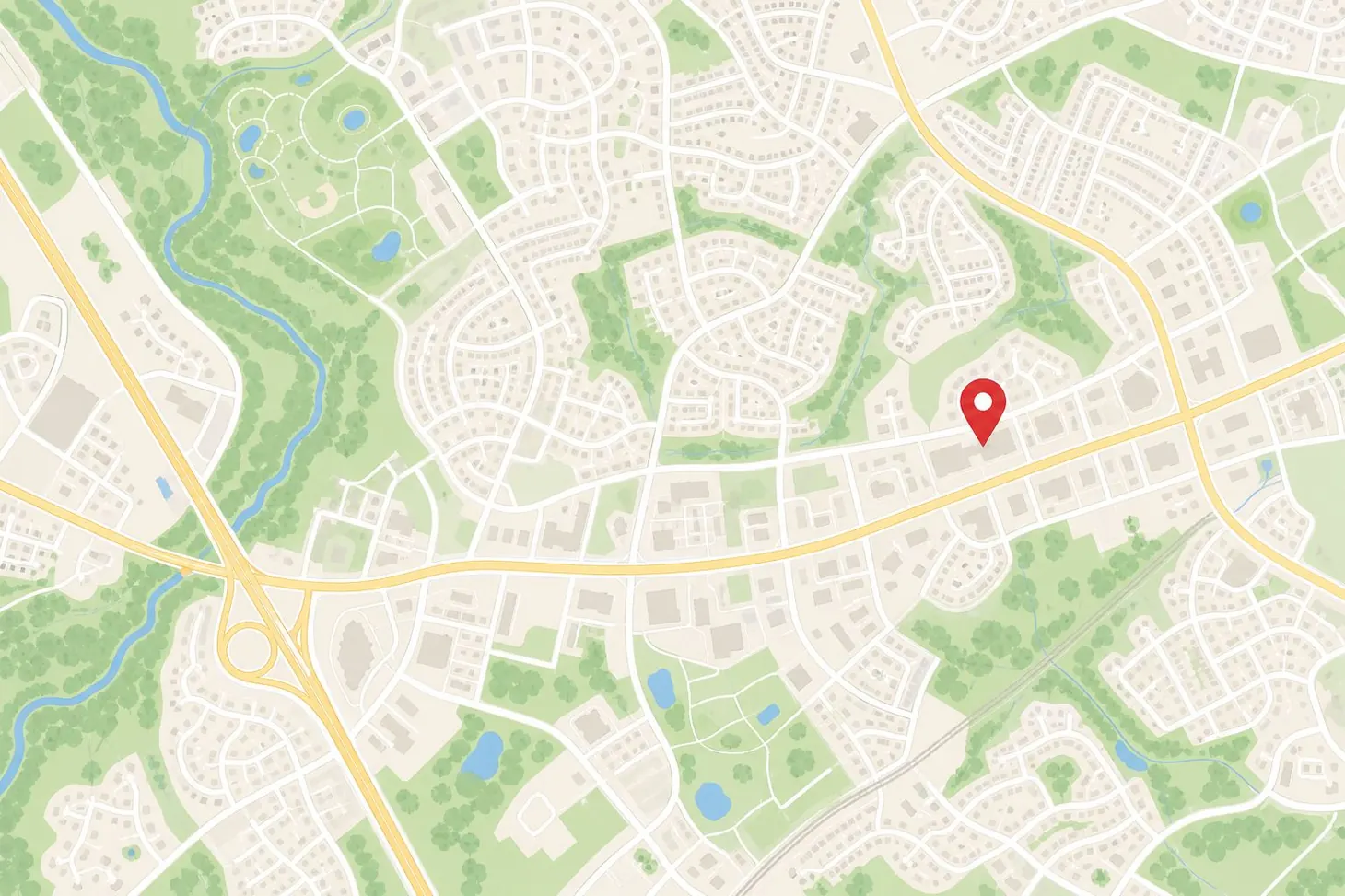
105 Saluda Pointe Ct Suite C, Lexington, SC 29072, United States
Hi! I'm Tooth fairy! Your AI Assistant Ask me anything